Welcome. Today we compare underfloor heating and radiators to help you decide what’s best for your home.
First, how they work. Radiators heat the air around them by convection. Underfloor heating warms the entire floor surface, radiating heat upward for consistent warmth.
Comfort. Underfloor heating gives even temperatures and removes cold spots. Radiators create hot zones near the unit and cooler areas elsewhere. If you want cosy feet and uniform warmth, underfloor heating wins.
Efficiency. Underfloor systems run at lower water temperatures, which makes them more efficient—especially with heat pumps. Radiators need higher flow temperatures and can be less efficient with low-temperature heat sources.
Response time. Radiators heat up quickly and are ideal when you want fast warmth. Screeded wet underfloor heating has a slower response but provides steady, long-lasting heat. Electric systems heat faster and suit small rooms or retrofits.
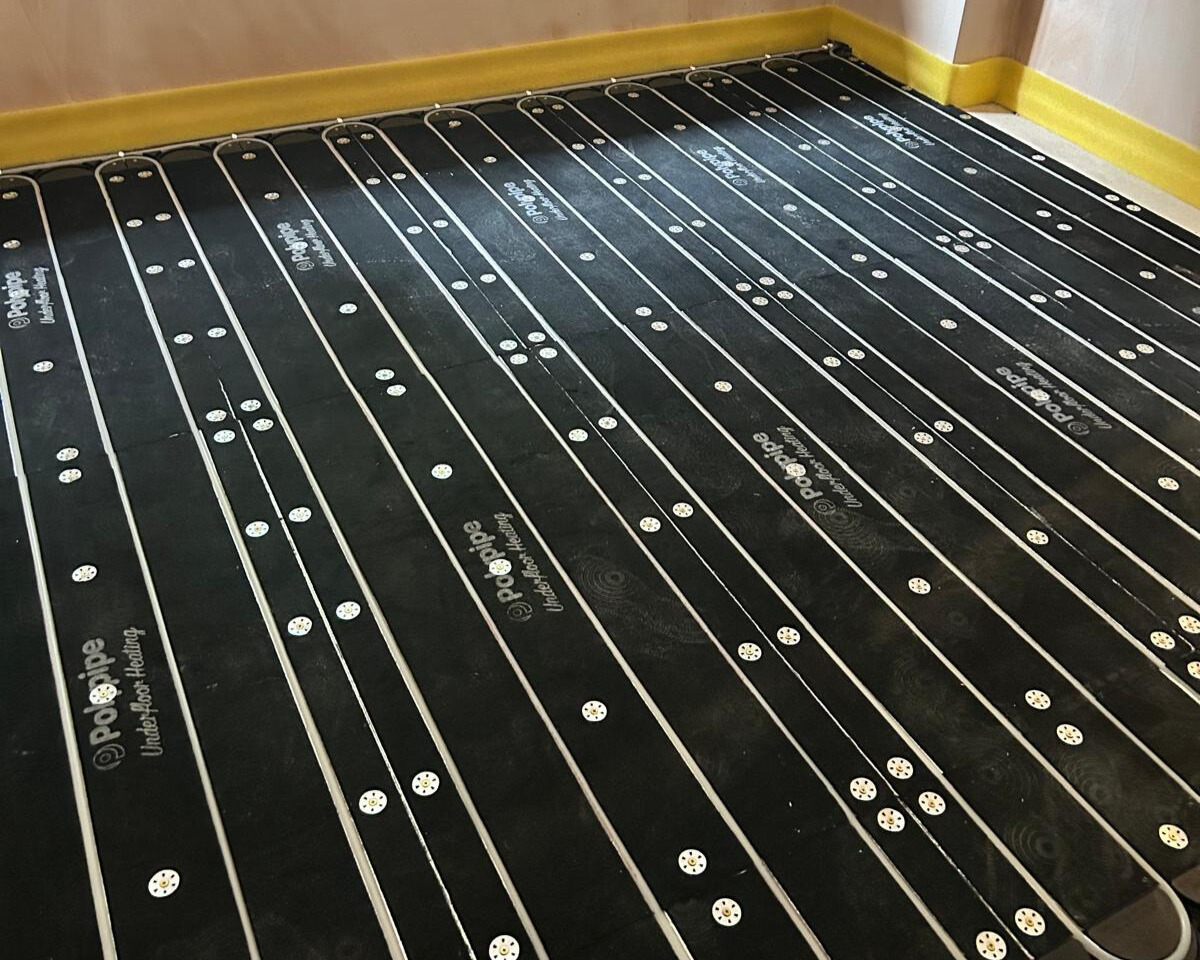
Space and aesthetics. Underfloor heating is hidden beneath the floor, freeing wall space and giving a cleaner look. Radiators take up wall space and can limit furniture placement.
Installation and disruption. New builds and extensions are perfect for wet underfloor systems—installation is straightforward during construction. Retrofits over existing floors may need low-profile systems or electric mats to minimise floor height changes. Radiators are generally easier and cheaper to install in existing homes.
Flooring compatibility. Tiles and stone are ideal for underfloor heating because they conduct heat well. Engineered wood and laminate can work if installed with compatible systems and proper insulation. Radiators work with any floor type.
Running costs. Underfloor heating typically costs less to run when paired with an efficient heat source and good insulation. Radiators can be cheaper to install and may run cheaper in poorly insulated homes or where short, quick heating is preferred.
Maintenance and lifespan. Underfloor heating is low maintenance when installed correctly and usually out of sight. Radiators may require occasional bleeding and visible upkeep.
Control and zoning. Both systems offer room-by-room control. Underfloor heating performs best with good zoning and smart thermostats that manage temperatures and schedules to save energy.
When to choose radiators:
- You need low upfront cost and quick installation.
- You want fast heat for occasional use.
- Floor build height or heritage constraints prevent underfloor installation.
When to choose underfloor heating:
- You want even, comfortable warmth and better energy efficiency.
- You’re building new or doing a major renovation.
- You plan to use a heat pump or renewables for heating.
Conclusion. Both systems have strengths. Radiators suit quick fixes and lower installation cost. Underfloor heating offers superior comfort, efficiency, and aesthetics—especially in new builds, extensions, or homes using low-temperature heat sources.
Need personalised advice? Contact GT Underfloor Heating for a free assessment and tailored recommendation for your Cardiff or South Wales home.
%20(400%20%C3%97%20250%20px)%20(400%20%C3%97%20150%20px)%20(400%20%C3%97%2075%20px)%20(400%20%C3%97%20150%20px)%20(5).png?width=400&height=150&name=Untitled%20(250%20%C3%97%20400%20px)%20(400%20%C3%97%20250%20px)%20(400%20%C3%97%20150%20px)%20(400%20%C3%97%2075%20px)%20(400%20%C3%97%20150%20px)%20(5).png)
.jpg?width=1134&height=638&name=a1719693-59a1-4e27-9f9f-525164cea981%20(1).jpg)
